


The Camp Fire group was organized in 1910 by Dr. Luther Halsey Gulick, and his wife, Charlotte Vetter Gulick. Camp Fire was designed to provide opportunities for development of the “whole” girl somewhat like the Boy Scouts. The first Camp Fire groups in Minnesota were organized in Minneapolis and St. Paul in 1912.
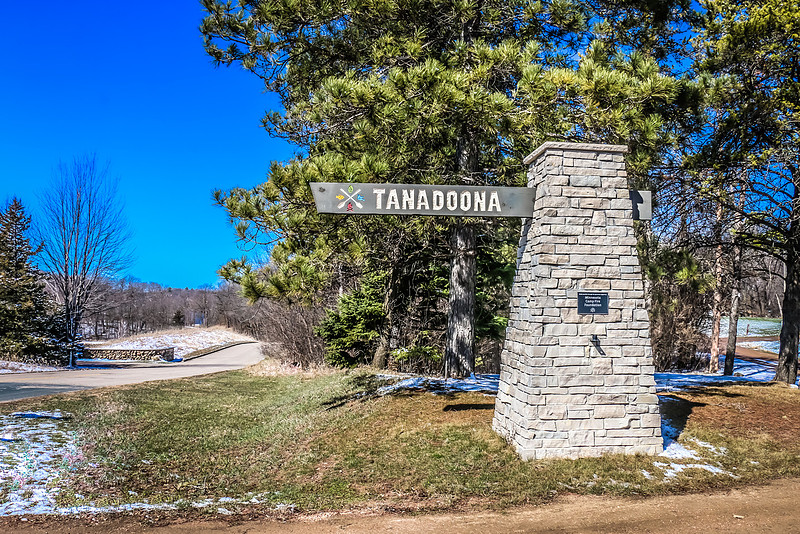
Minneapolis Camp Fire leaders eventually started the search for a permanent home. Camp Leader Margaret Fletcher, Mrs. Maude Armatage, along with a local Rotary group worked to find and purchase property before giving control to the Camp Fire group. The group found the old summer home of Governor John Lind, on Lake Minnewashta. This 64-acres was named “Camp Tanadoona”, which translates loosely as “living in the out of doors.”
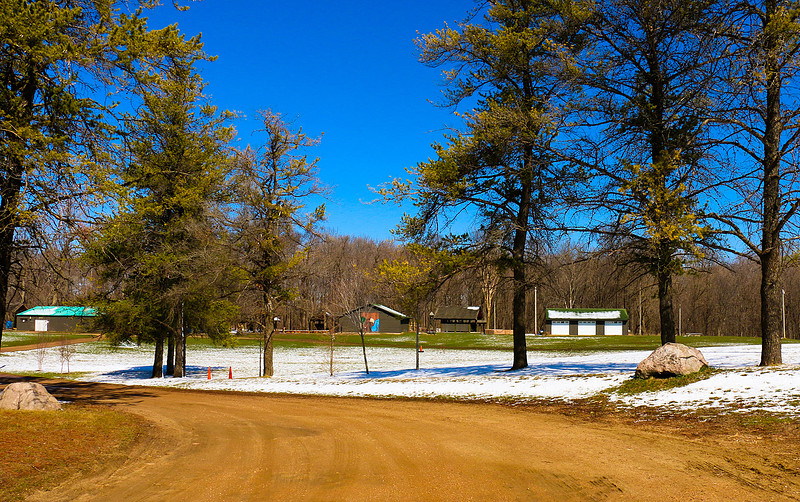
Camp Tanadoona opened for its first season in 1925, with 207 girls in a 7-week season. Those girls camped out in tents, in relatively primitive conditions. By 1929, there were 13 cabins, a dining hall, and one lodge. Over the years other changes happened at Camp Tanadoona. In 1951, the national headquarters asked “for greater inclusiveness of all groups within all segments of membership.” Between 1964-1967, a national effort targeting low-income, inner-city girls was launched. And in 1974, Camp Fire expanded to include boys.
Today, Camp Tanadoona is 103 acres of forest and prairie on Lake Minnewashta. Summer camps are designed for youth from 5-17 years of age. These camps include day camps, resident camps, and trips to locations such as the Northwoods of Minnesota. Camp Tanadoona is one of the few remaining camps, operated by any organization, in the western suburbs or 7-county metro area.
Camp Fire USA, Minnesota website. “Camp Tanadoona”. Accessed 30 March 2016. http://www.campfireusa-mn.org/centennial/camp_tanadoona.html
Camp Fire USA, Minnesota website. “Camp Fire in Minnesota Timeline.” Accessed 30 March 2016. http://www.campfireusa-mn.org/centennial/centennial_history.html
Carver County Historical Society website. Accessed 30 March 2016. http://www.carvercountyhistoricalsociety.org/history_topics.php